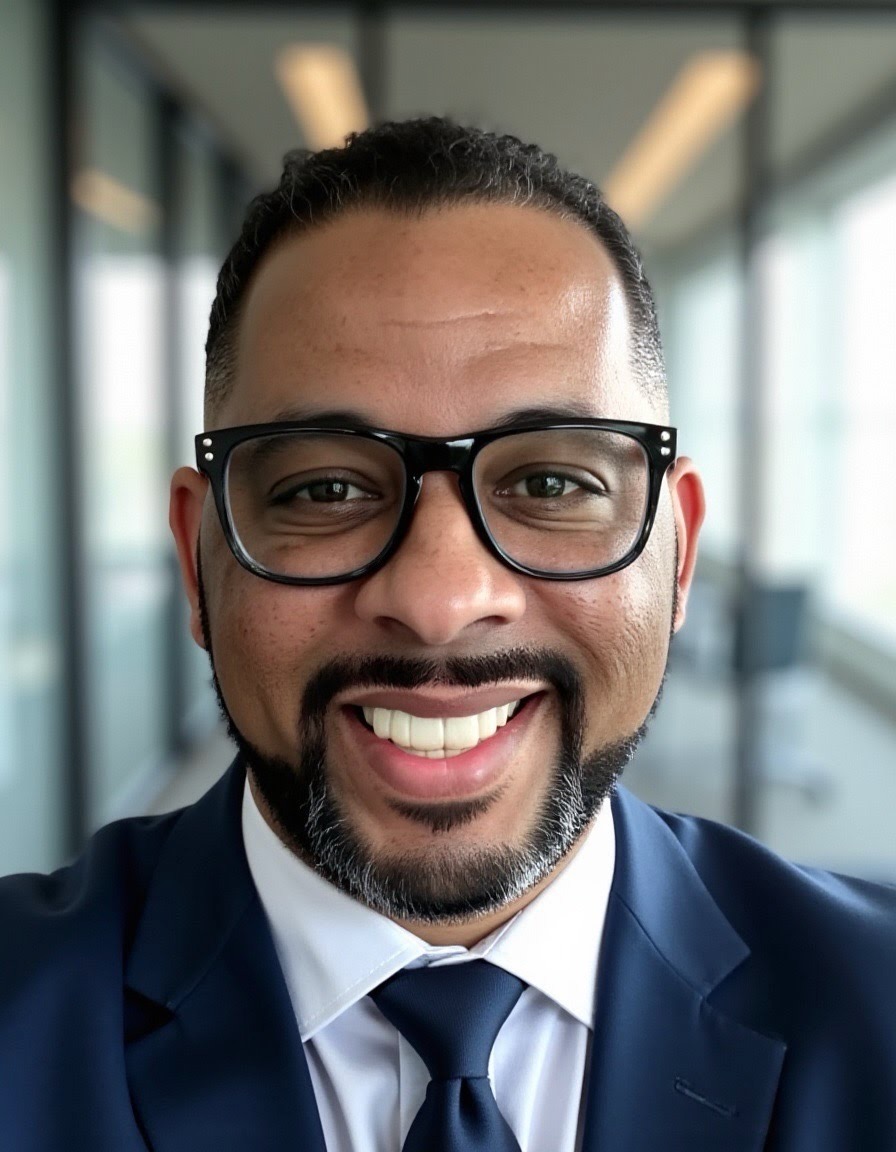
About Clint Pracher

Hi, I'm Clint. I build product systems for scaling organizations when growth and complexity start breaking the systems that used to work.

Most teams I step into are not failing. They're overloaded. Priorities have fragmented, execution feels inconsistent, and leaders carry more of the decision weight than they should. On the surface, that looks like an execution problem. It is usually a decision system that has not kept up with scale.

Clint Pracher
  • $600M Investment governed
  • $8M Portfolio budget
  • 13 AI & data products
  • 100+ Global markets
Platform · Data · AI across Dentsu · Merkle · Business Insider · V Shred

Same patterns. Different industries.

What the same success patterns produced in different operating contexts.

  • Marketing & Advertising

  • Retail & E-commerce

  • Customer & Subscription

  • Teams & Talent

View outcomes by domain

Marketing & Advertising

  • $600M investment governed
  • 13 AI products for 100+ markets
  • ~40% lower decision latency

Retail & E-commerce

  • 331% year-over-year organic revenue increase
  • 29% year-over-year organic traffic increase
  • $60M incremental revenue increase in 12 months

Customer & Subscription

  • 45% customer churn reduction
  • 12% annual growth for 3 consecutive years

Teams & Talent

  • Built and managed a 5-member product management team
  • Coached 4 Business Analysts to Senior Product Manager

My product philosophy

Product organizations rarely break because their teams lack talent, effort, or expertise. They break because the systems that once helped them decide what mattered have gone stale while the organization kept growing.

When priorities are unclear, ownership is diffused, and tradeoffs stay unresolved, execution slows. Leaders become the bottleneck because every consequential choice routes back to them.

I work on that layer first. Strategy, operating models, and execution only work when decision rights are explicit, the evidence is trusted, and the team knows which constraints actually matter.

The goal is not more output. It is better judgment at scale.

On the ground, not just the platform

I build for real operations, not abstract roadmaps. The best product decisions come from standing with the people who run the work and the customers who depend on it: hearing what actually breaks, what they need next, and what tradeoffs they live with every day.

That discipline matters most in industries where being on the ground is non-negotiable: retail, hospitality and gaming, healthcare, education and campus environments, and point-of-sale systems like Micros on opening day. Onsite is the advantage, not the cost. I have done it from behind the counter and beside the people running the operation.

The work behind it

I have spent more than a decade building and leading products across SaaS, enterprise platforms, data, and AI.

At Dentsu, I led global product management for a portfolio of 13 AI-powered products deployed across more than 100 markets. I managed an $8 million portfolio and led a 67-person global team spanning product, engineering, strategy, and delivery.

At Merkle, I architected a unified marketing intelligence platform that consolidated reporting for 95 percent of a $600 million global marketing budget across 140 markets.

At Business Insider, I helped stabilize and scale data and analytics operations during rapid growth. Earlier in my career, I led product work across e-commerce, media, retail, and health and fitness, including 331 percent growth and a mobile launch that reached more than 100,000 downloads in 24 hours.

The industries changed. The work underneath them did not. I kept finding the point where shipping more features stopped solving the problem and the way decisions were made had to change.

How I operate

I have worked across finance, operations, sales, analytics, engineering, delivery, and product leadership. That range helps me see where the organization says work happens, where it actually happens, and which decisions are getting lost between the two.

I start by finding the constraint. Then I map who owns the call, what evidence they trust, and what keeps routing back to the top. From there, I rebuild the product system around the few decisions the organization needs to make well.

I am not the loudest voice in the room. I am usually the person asking what problem we are actually trying to solve.

The tools handle the noise. I keep the judgment.

Outside the work

Music

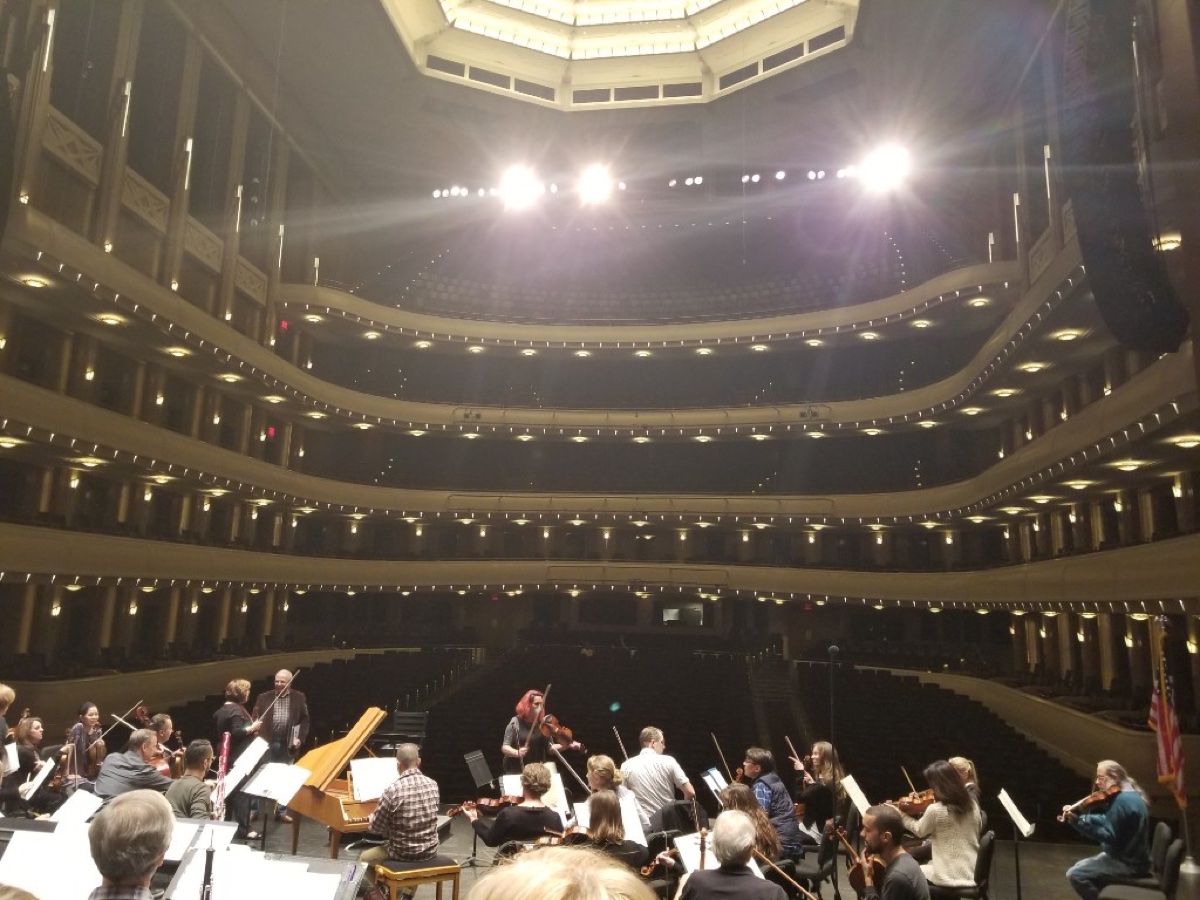
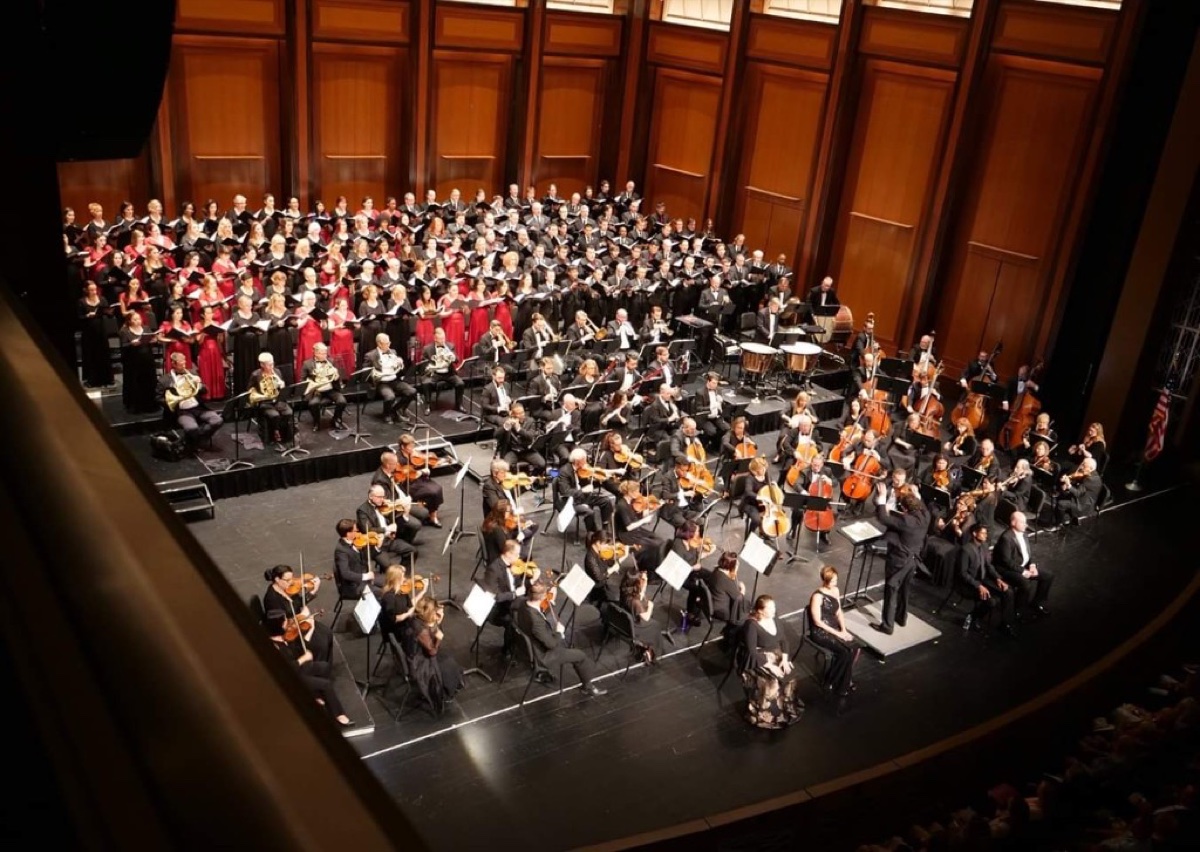
I am a classically trained musician. I sing, play saxophone, and piano, and I still treat rehearsal like work that has to be done right, not performed for an audience of one.

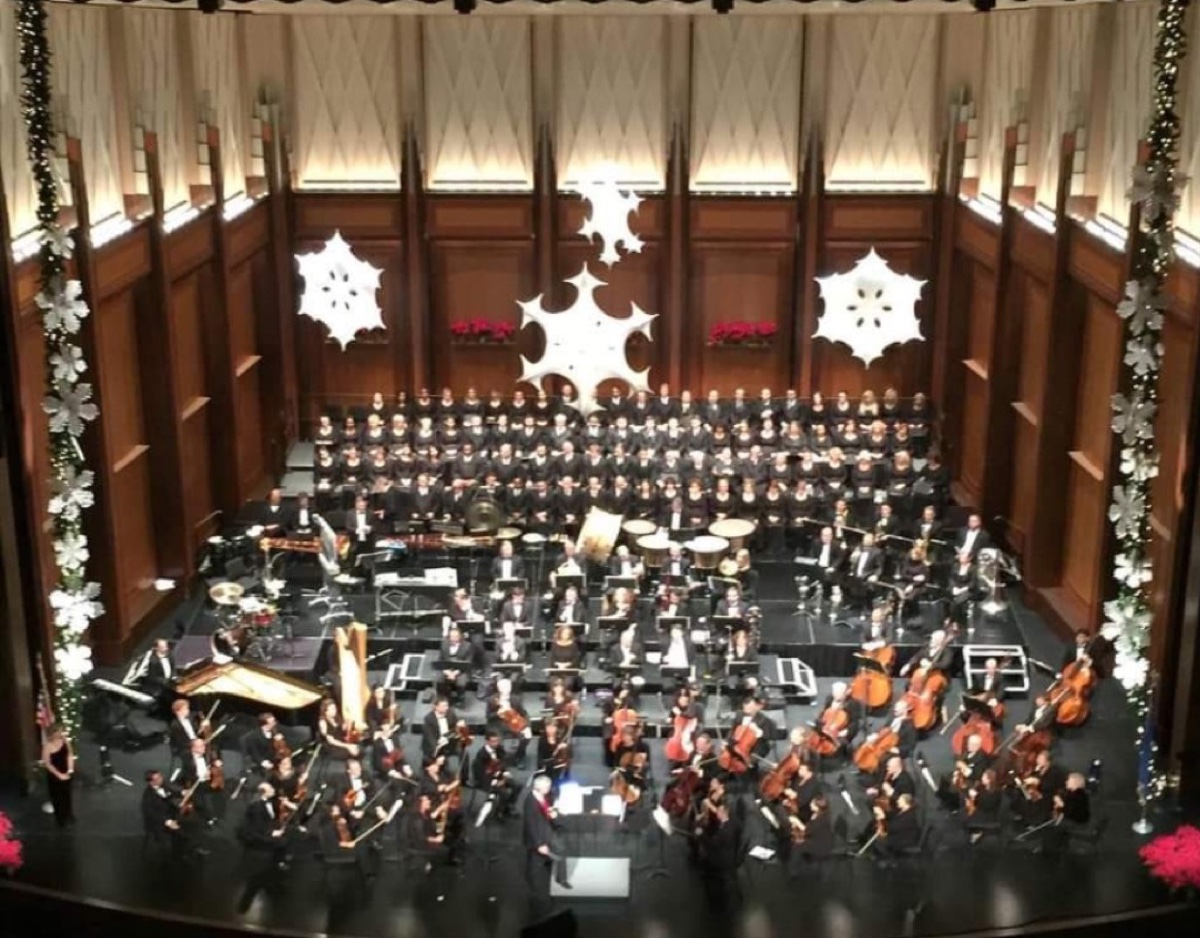
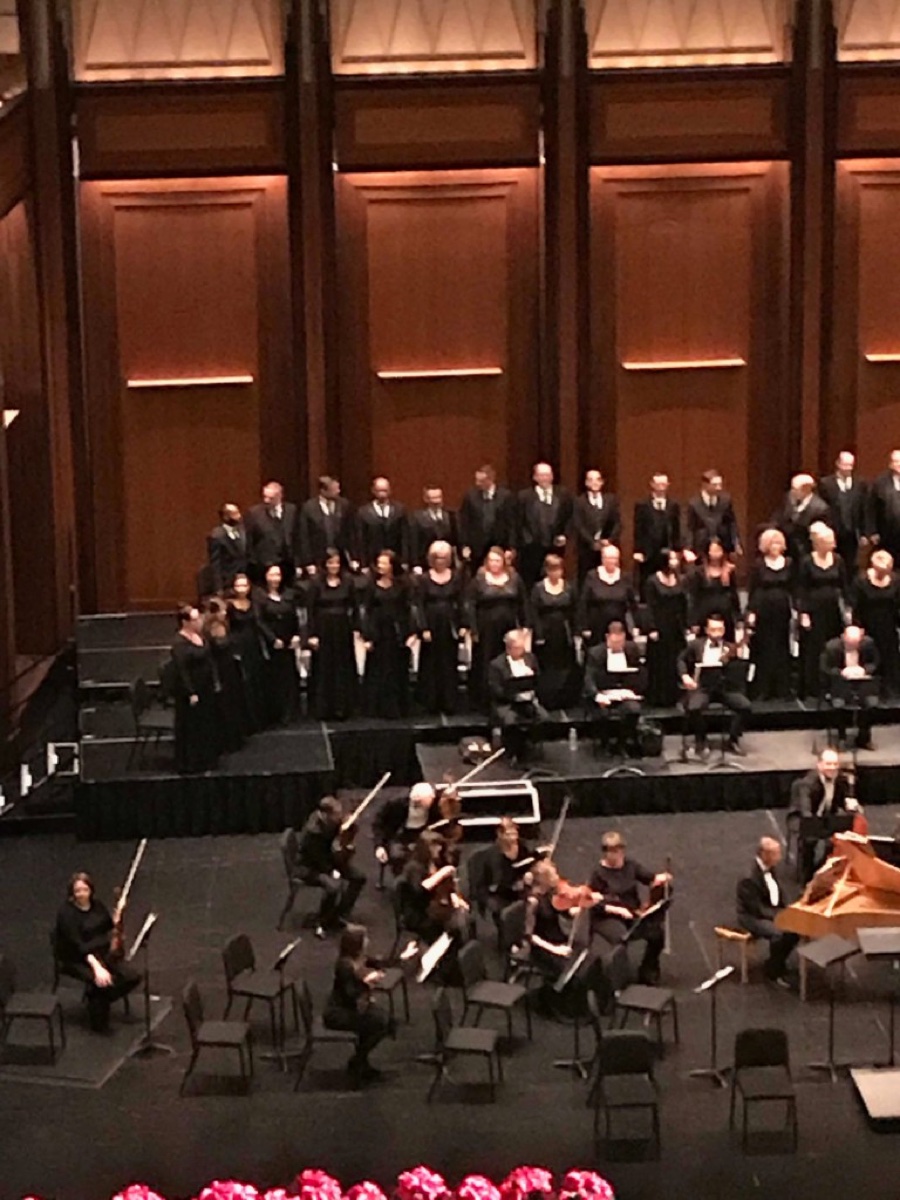
I perform with the Las Vegas Master Singers, the chorus in residence for the Las Vegas Philharmonic. Repertoire I have sung with the group includes Handel's Messiah, Orff's Carmina Burana, and Beethoven's Ninth Symphony. Standing in that room keeps my ear honest: balance, timing, and listening matter as much as your own part. That is not a metaphor I force into product work. It is just how I show up.
Interior design

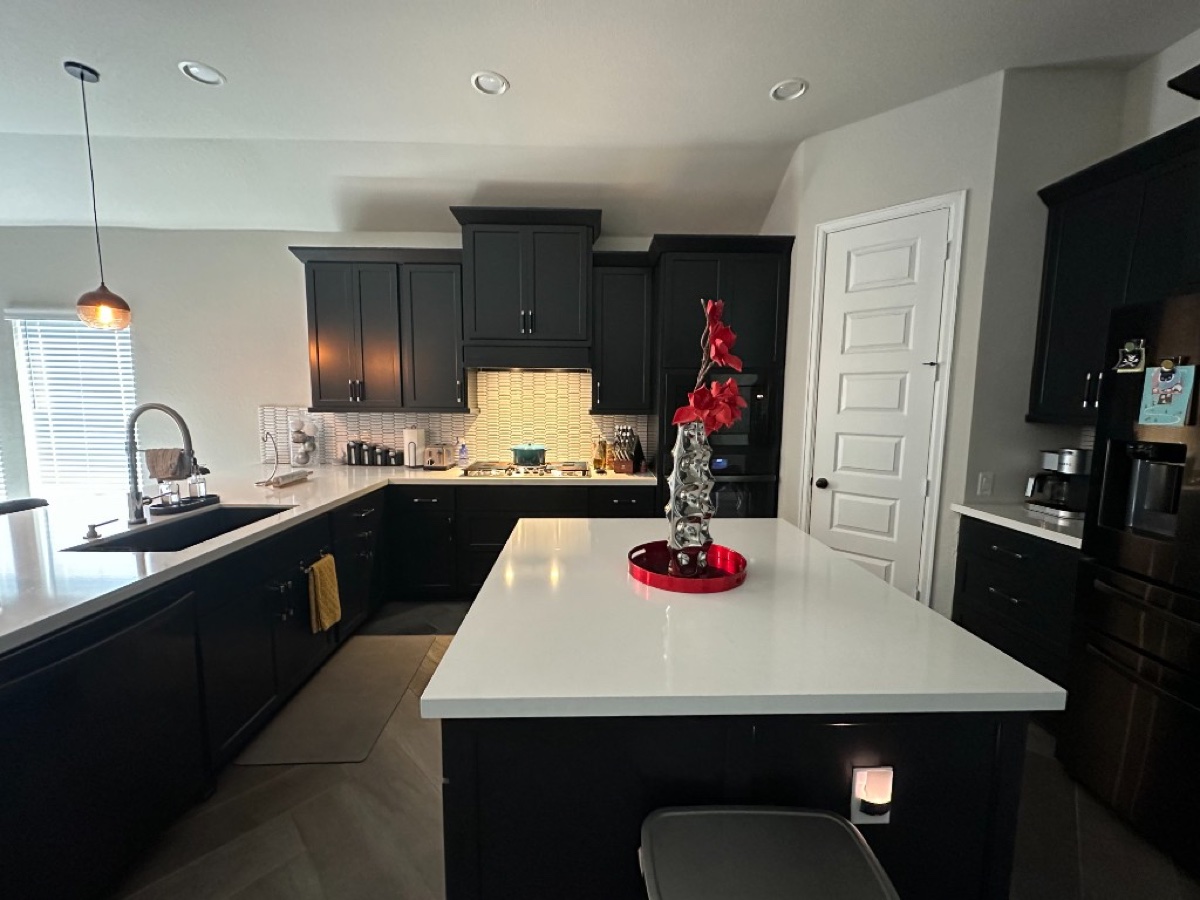
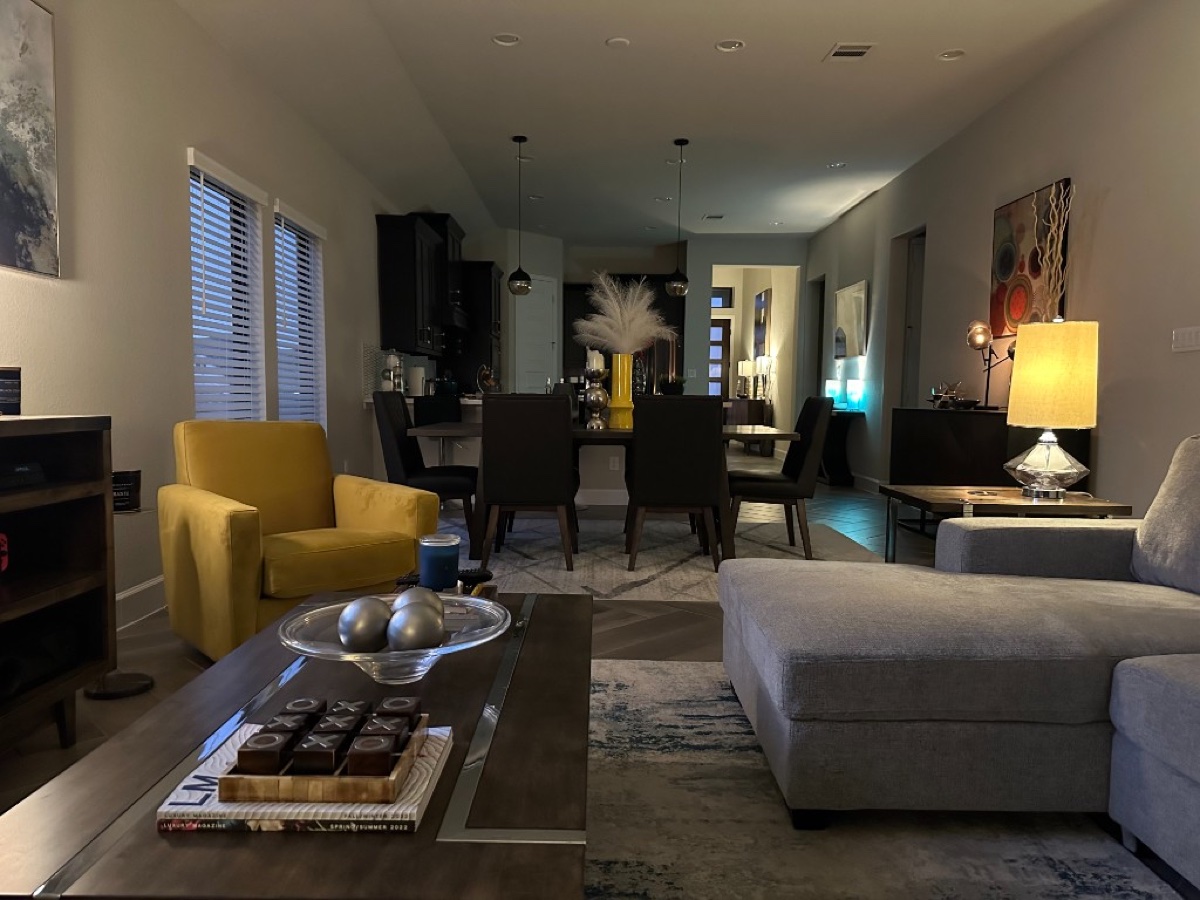
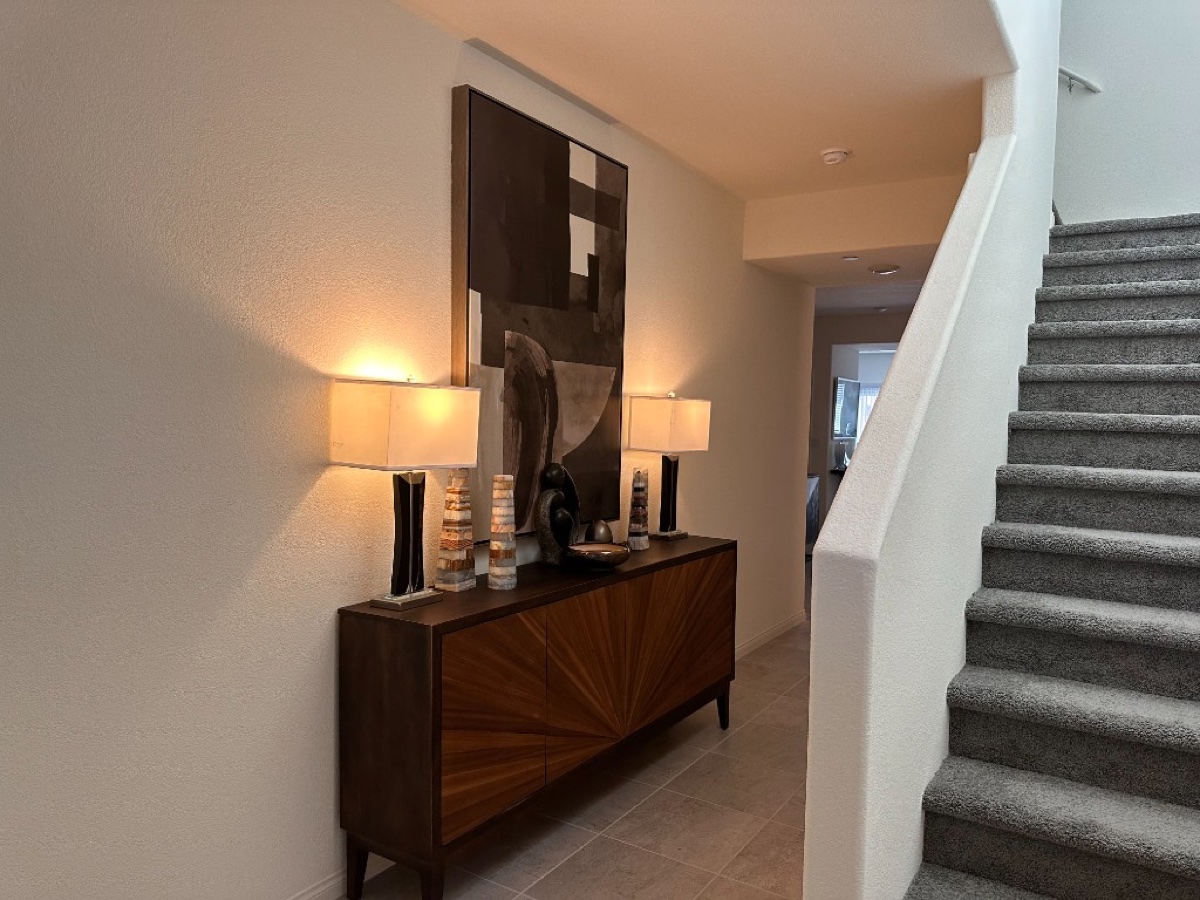
Away from product, I spend real time on interior design. I like rooms that feel intentional: light, proportion, and the few objects that actually belong in a space. I am not a professional designer. I am someone who notices when a room fights the way people live in it, and I enjoy the slow work of fixing that.

It is the same instinct as the day job, but personal. Remove what adds noise. Keep what helps people breathe.

Outdoors

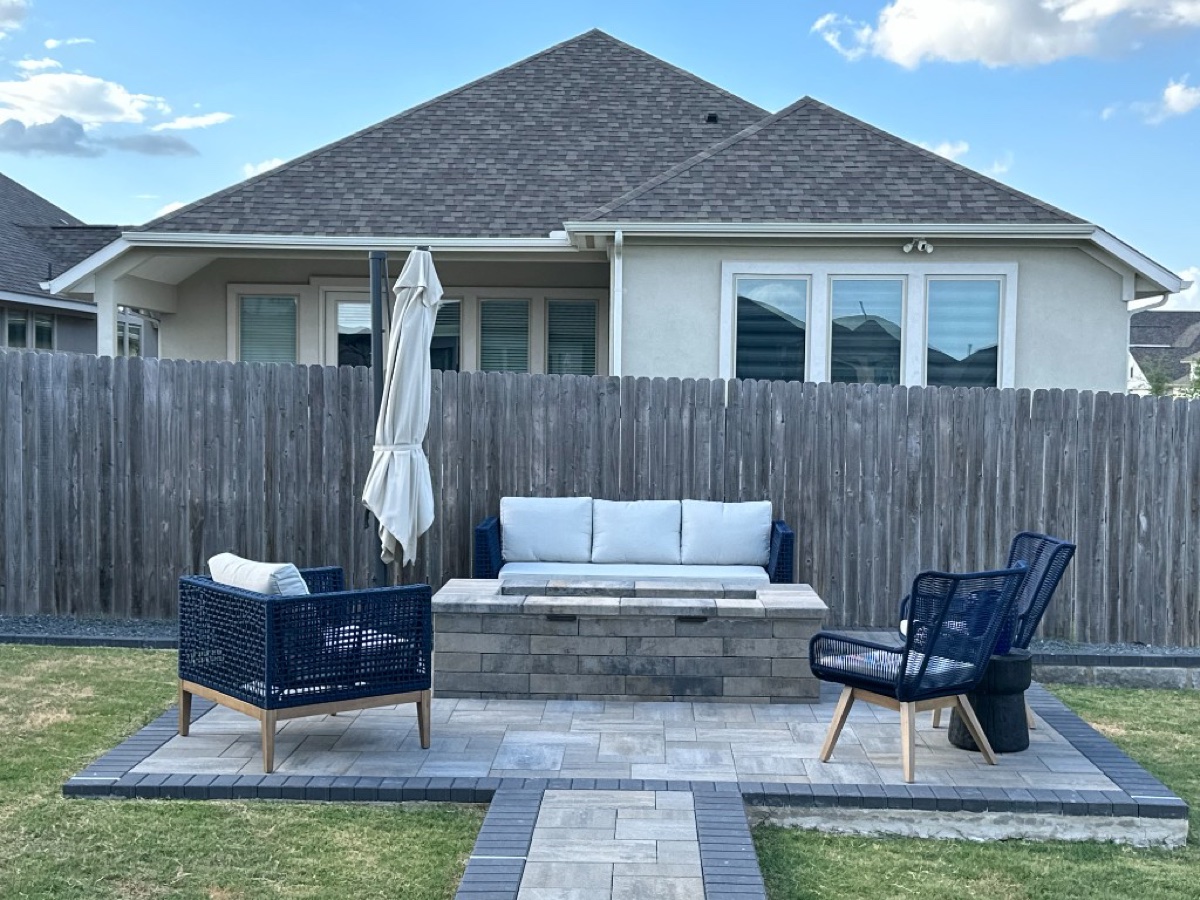
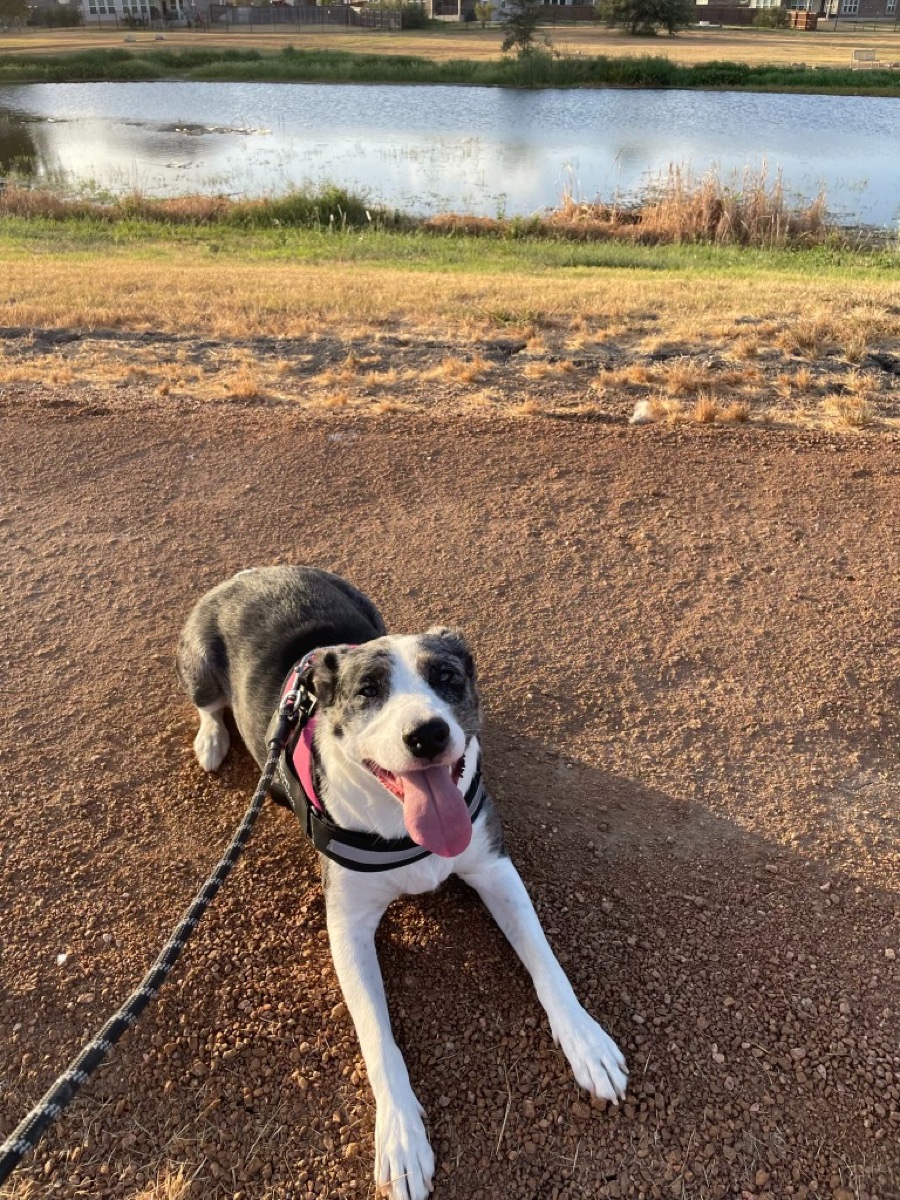
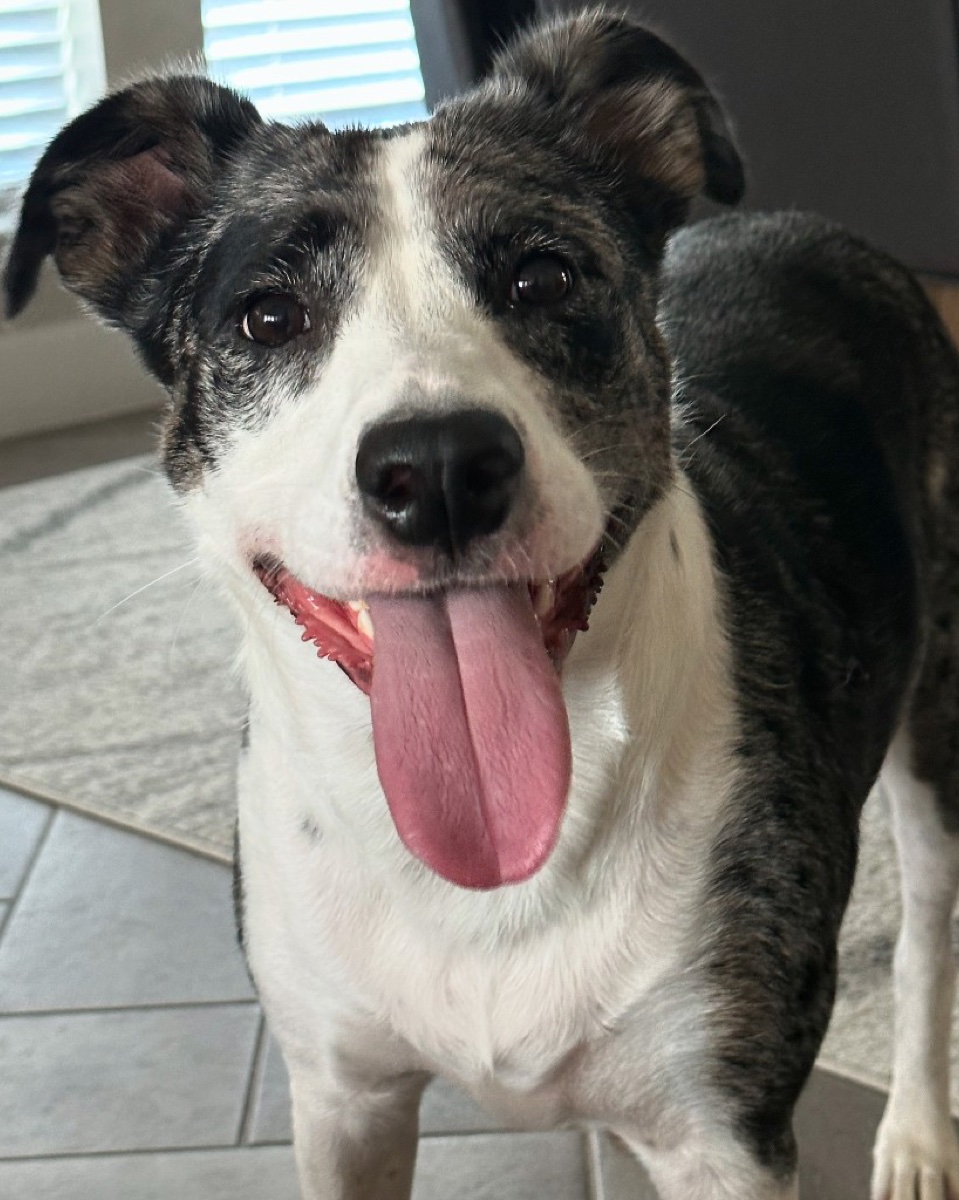
I am an Eagle Scout, and I still get outside when I can. Hiking with my dog and time away from screens are how I reset when I have a long week.

Let’s connect

I do my best work with leaders who want a clearer decision system underneath a capable team. I help rebuild how decisions get made so priorities hold, ownership is clear, and good work can move without everything passing through the same room. If that is the conversation you want to have, I would like to hear from you.